Mary Bennet
Mary Bennet, the third daughter of Mr. and Mrs. Bennet, occupies a distinct but largely marginal position within the family. Neither as handsome as Jane and Elizabeth nor as vivacious as Lydia and Catherine, she is described as "the only plain one in the family" and has responded to her comparative disadvantage by working "hard for knowledge and accomplishments." Her efforts, however, are driven more by vanity than by genuine talent or taste: she possesses "neither genius nor taste," and her application has produced a "pedantic air and conceited manner" that undermines whatever skill she has acquired. She is a young woman who piques herself "upon the solidity of her reflections" and who reads "great books" and makes "extracts," yet her pronouncements tend toward the sententious and the derivative rather than the insightful.
Intellectual and Moral Posturing
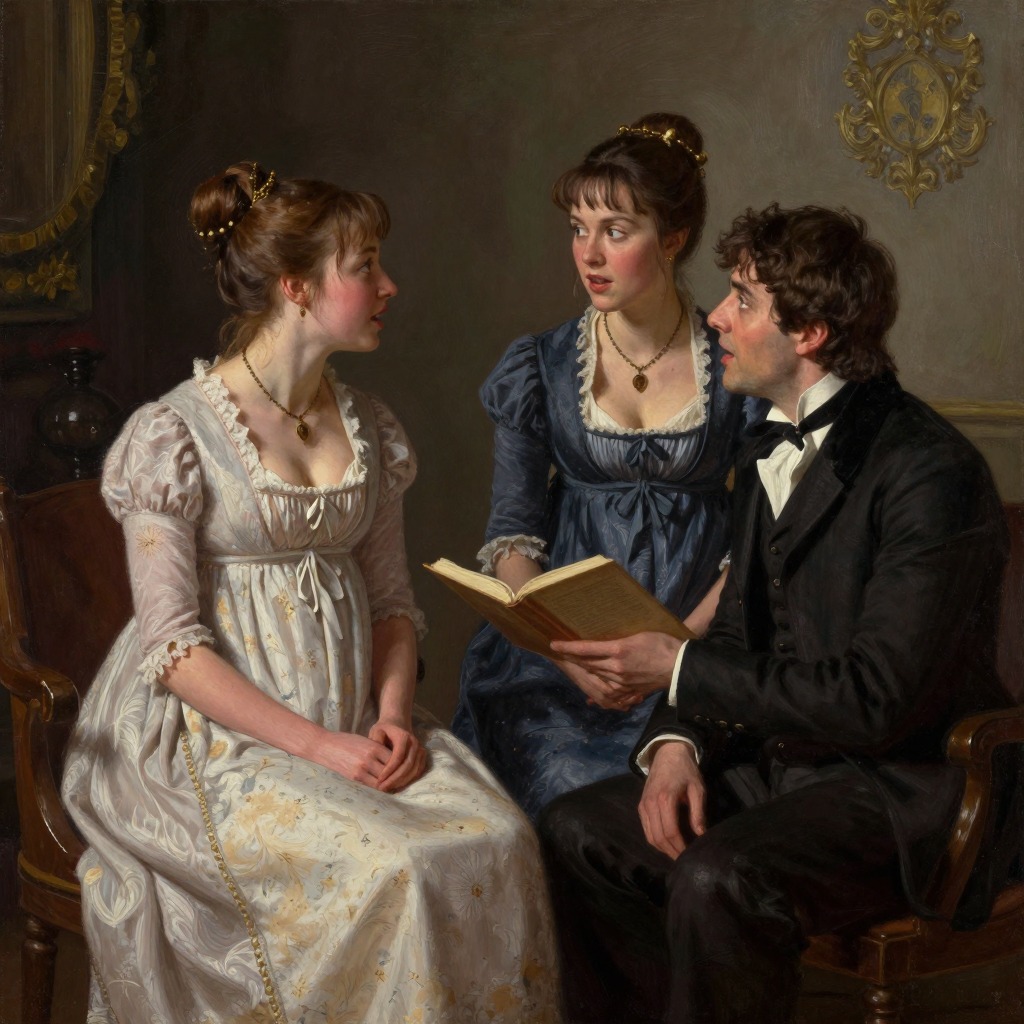
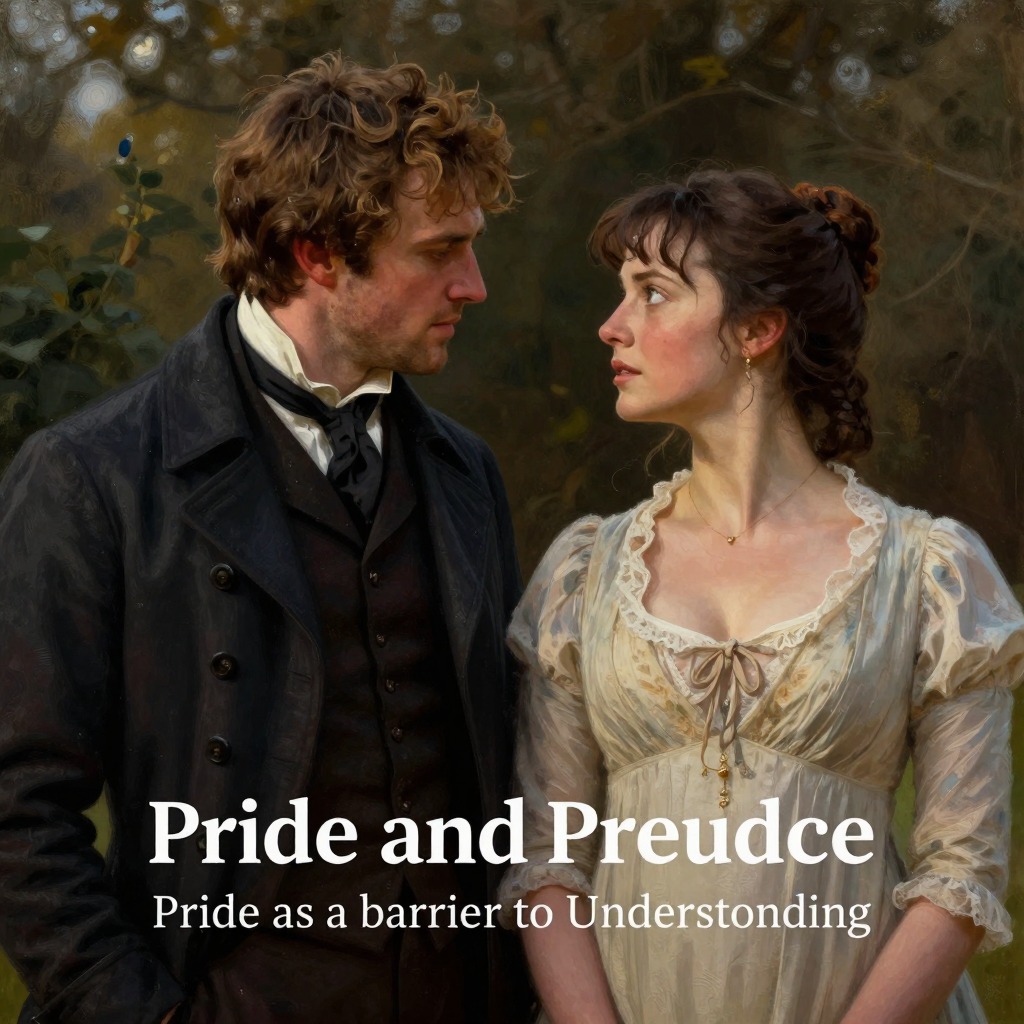
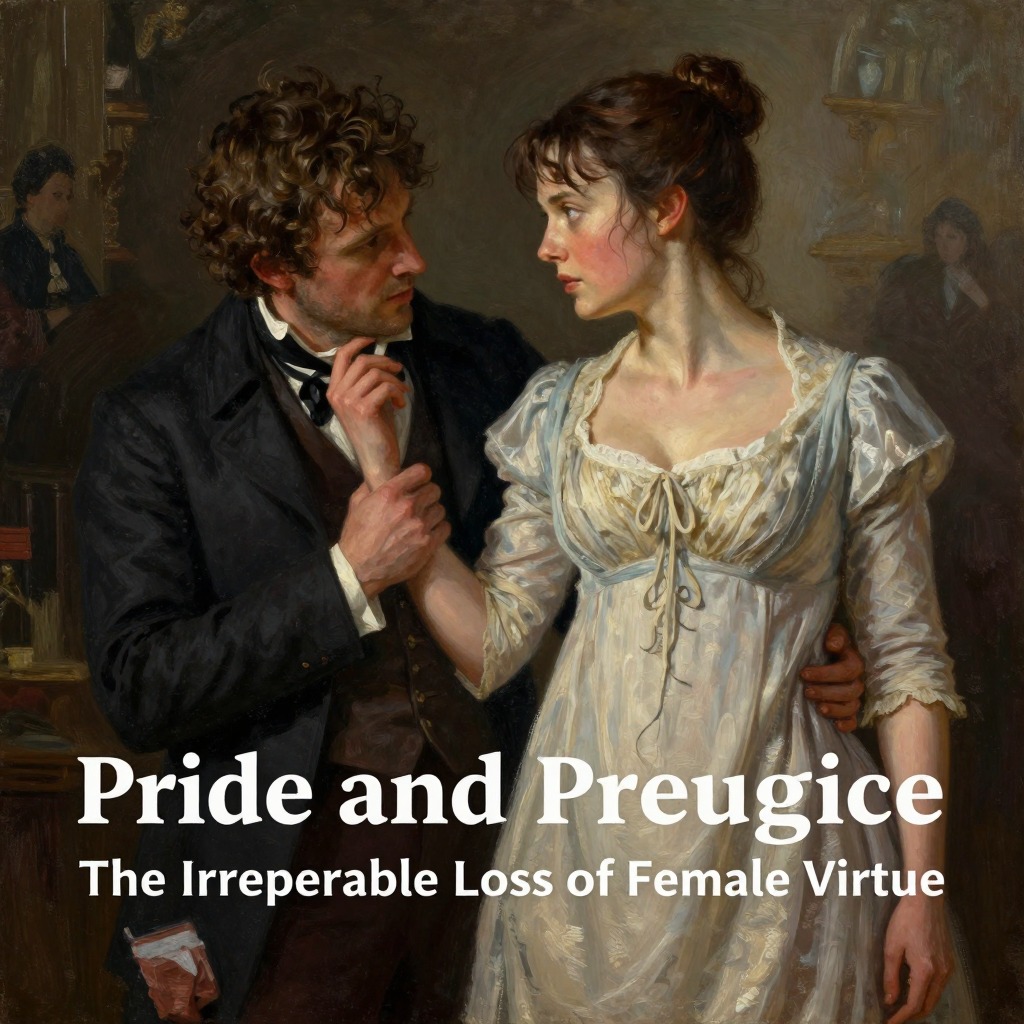
Mary's most characteristic moments are those in which she delivers weighty, often borrowed, moral observations. At the Meryton assembly, when the conversation turns to Mr. Darcy's pride, she offers a disquisition on the distinction between vanity and pride: "Pride relates more to our opinion of ourselves, vanity to what we would have others think of us." Elizabeth, with characteristic irony, later notes that Mary "wished to say something sensible, but knew not how" when directly called upon by her father. Mary's moralizing reaches its peak during the crisis of Lydia's elopement, when she solemnly informs Elizabeth that "loss of virtue in a female is irretrievable; that one false step involves her in endless ruin." Elizabeth listens "in amazement" but is "too much oppressed to make any reply." Mary's response to the family's disgrace is not empathy but the extraction of a "useful lesson," a habit that reveals her emotional detachment and her reliance on abstract principle as a shield against painful reality.
Role in Family Dynamics
Within the Bennet household, Mary is largely a background figure, often absorbed in her studies of "thorough-bass and human nature" while her sisters engage in the social world. She is the only sister who does not join the walk to Meryton to see the officers, and she is frequently found at the pianoforte, eager to display her accomplishments. At the Netherfield ball, she seizes the opportunity to perform, singing song after song with a "weak" voice and "affected" manner, until Mr. Bennet is forced to intervene with the cutting remark, "You have delighted us long enough. Let the other young ladies have time to exhibit." Her father's dry humor often targets her pretensions, as when he asks her opinion on the forms of introduction, knowing she will struggle to produce a sensible answer. Mary's relationship with her mother is similarly distant; Mrs. Bennet, who values beauty and vivacity, has little use for her third daughter's earnestness.
Change and Ending
Mary undergoes a subtle but significant change in the novel's final chapter. With Jane married to Bingley, Elizabeth married to Darcy, and Lydia living far away in the North, Mary is "the only daughter who remained at home." She is "necessarily drawn from the pursuit of accomplishments by Mrs. Bennet's being quite unable to sit alone" and is thus "obliged to mix more with the world." The narrator notes that she "could still moralize over every morning visit," but that, "as she was no longer mortified by comparisons between her sisters' beauty and her own, it was suspected by her father that she submitted to the change without much reluctance." This final portrait suggests a quiet accommodation: Mary's forced emergence from her solitary studies into the social sphere, while not transforming her character, at least relieves her of the constant invidious comparisons that had defined her earlier life.
Thematic Significance
Mary Bennet embodies the novel's critique of superficial accomplishment and the dangers of a purely bookish education divorced from genuine social understanding. Her pedantry and moralizing stand in contrast to Elizabeth's lively intelligence and Jane's gentle good sense. She represents a path not taken by the heroine—a retreat into intellectual pride as a compensation for social and romantic failure. Yet Austen's treatment of Mary is not entirely unsympathetic; her final situation, obliged to keep her mother company and to engage with the world, suggests that even the most self-absorbed of the Bennet sisters is capable of a modest, if unglamorous, adjustment to reality.